Skirra has always believed that the foundation of a great skirt is not the cut or the color—but the fabric. Among summer wardrobes, few debates appear as often as 100% Linen Skirts vs Linen Blend. Both promise breathability, effortless style, and warm-weather comfort, yet they behave very differently once worn, washed, and lived in.
This guide exists to answer one clear question: Which is actually better—pure linen skirts or linen blend skirts? The answer is not universal. It depends on climate, lifestyle, expectations around wrinkling, and how much structure a skirt needs to hold over time. By the end of this article, the differences between pure linen skirts, 100 linen skirts, and blended linen fabrics will be unmistakably clear—allowing an informed, confident choice based on real-world wear, not assumptions.
What Is 100% Linen Fabric?
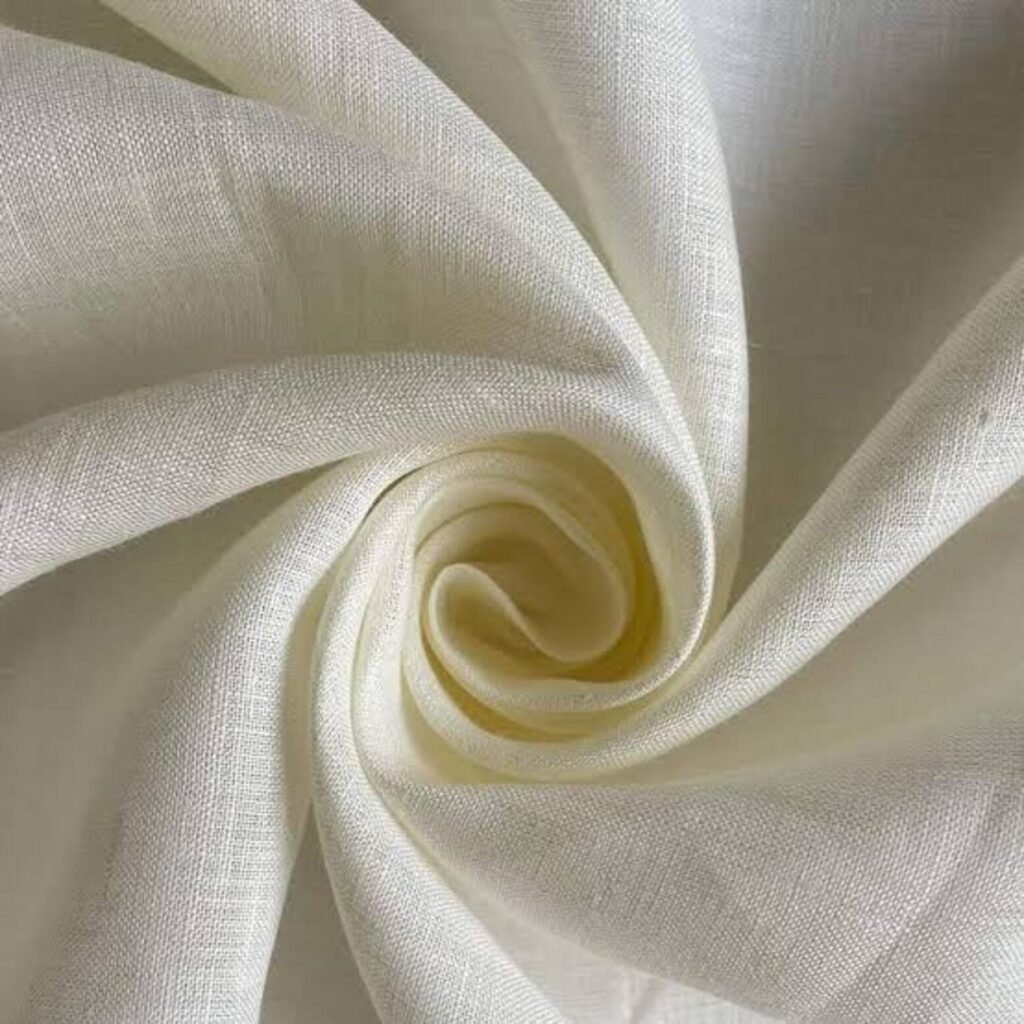
Before any comparison between fabrics becomes meaningful, it is essential to understand what 100% linen truly is. Unlike blended textiles engineered for convenience, pure linen is defined by its origin, fiber structure, and natural behavior—factors that directly influence comfort, breathability, appearance, and longevity in real wear.
How Pure Linen Is Made?
100% linen fabric is produced exclusively from the fibers of the flax plant. Once harvested, flax goes through a multi-stage process including retting, breaking, scutching, and spinning. Each step is designed to separate and preserve the long flax fibers, which are responsible for linen’s strength, breathability, and characteristic texture.
This traditional processing method retains the fiber’s natural rigidity and irregularity, resulting in a fabric that allows air to circulate freely while maintaining structural integrity. Unlike blended textiles, pure linen contains no synthetic or secondary fibers, meaning its performance is driven entirely by the properties of flax itself. This composition directly determines how the fabric wrinkles, how it reacts to heat and moisture, and how it evolves with repeated wear.
Key Features of 100% Linen Skirts
100% linen skirts are distinguished by several fabric-specific qualities:
- Exceptional airflow and breathability, especially in hot or humid climates
- A lightweight yet resilient structure suitable for summer wear
- Natural moisture absorption that helps regulate body temperature
- A crisp surface texture that gradually softens without losing durability
When new, pure linen skirts often feel firm and slightly structured. Over time, repeated wear and washing relax the fibers, creating a softer, more comfortable feel while preserving the fabric’s strength and shape.
Common Expectations When Wearing Pure Linen
Wrinkling is often perceived as a drawback, but it is an inherent characteristic of linen fabric. Flax fibers bend rather than stretch, causing creases to form naturally with movement. This behavior is not a sign of low quality; rather, it reflects the authenticity of pure linen.
Many consider this relaxed, slightly rumpled appearance part of linen’s appeal, especially in warm-weather wardrobes. In terms of thermal performance, pure linen skirts remain difficult to match. Their ability to release heat and manage humidity makes them particularly effective in tropical or consistently hot environments.
100% linen fabric prioritizes breathability, natural texture, and long-term comfort over surface perfection, making it a deliberate choice rather than a compromise.
What Is a Linen Blend Fabric?
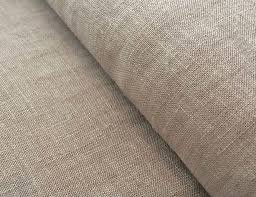
To understand how linen blend skirts perform, it is important to first clarify what defines a linen blend. Unlike pure linen, linen blend fabrics are engineered by combining linen fibers with other natural or synthetic materials in order to adjust specific performance characteristics such as softness, wrinkle resistance, drape, and durability. This approach allows manufacturers to tailor the fabric to different use cases rather than relying solely on linen’s natural properties.
Common Types of Linen Blends
Linen blends vary widely depending on the secondary fiber used. The most common linen blend skirts include:
- Linen cotton blend – Softens the hand feel of the fabric while reducing linen’s natural stiffness. This blend balances breathability with increased comfort for extended wear.
- Linen viscose or rayon blend – Enhances drape and fluidity, creating a smoother, more flowing silhouette that moves easily with the body.
- Linen polyester blend – Improves wrinkle resistance, shape retention, and overall durability, making the fabric more stable for frequent wear and washing.
Each blend alters how the fabric breathes, how it feels against the skin, and how much care it requires over time.
Why Brands Use Linen Blends?
Linen blends are widely used to address some of the limitations of pure linen. They are typically designed to:
- Minimize excessive wrinkling during wear
- Improve shape retention and structural stability
- Create smoother, more polished silhouettes
- Reduce manufacturing costs and retail pricing
These adjustments make linen blend skirts more adaptable to modern lifestyles, especially where ease of maintenance and visual consistency are priorities. However, the added fibers inevitably reduce some of linen’s natural cooling and airflow capabilities.
How Linen Blend Skirts Differ in Feel?
In terms of tactile and visual experience, linen blend skirts differ noticeably from pure linen. They generally feel:
- Softer and less crisp against the skin
- More structured or more fluid, depending on fiber composition
- Visually smoother with a more refined surface texture
Because of these characteristics, linen blend skirts are often favored for everyday wear, work environments, and situations where a neater appearance and lower maintenance are preferred.
Linen blend fabrics prioritize practicality, versatility, and ease of wear, offering a controlled alternative to the raw, breathable nature of pure linen.
100% Linen Skirts vs Linen Blend — Key Differences at a Glance
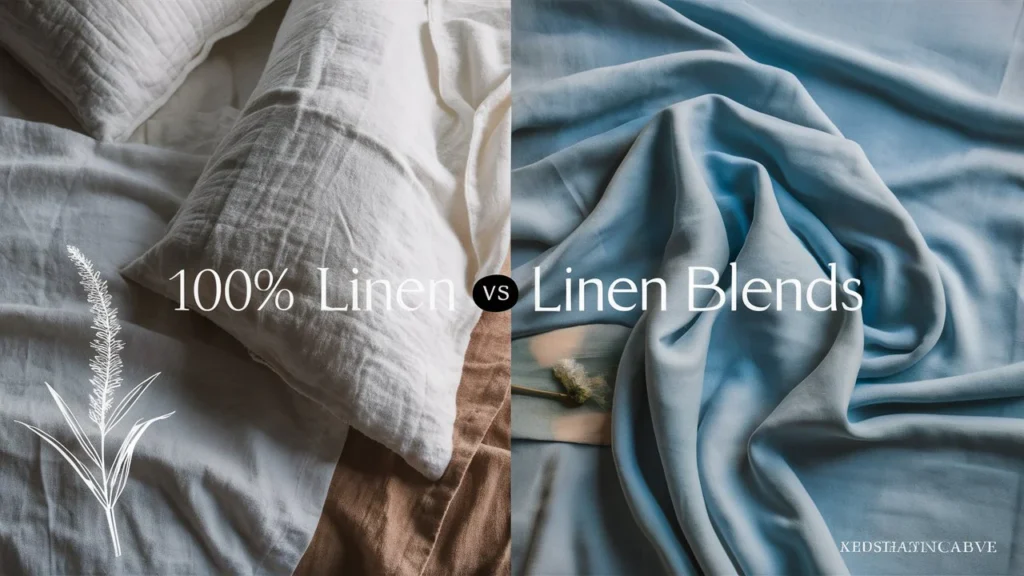
When comparing 100% linen skirts with linen blend skirts, the contrast becomes evident once their core characteristics are placed side by side. Although both fabrics fall under the “linen” category, their performance, appearance, and care requirements differ significantly due to fiber composition.
- Composition: 100% linen skirts are made entirely from natural flax fibers, while linen blend skirts combine linen with other natural or synthetic fibers to modify performance.
- Breathability: Pure linen offers maximum airflow and heat release, making it highly effective in hot or humid climates. Linen blends provide moderated ventilation, depending on the type and percentage of added fibers.
- Wrinkling: Natural creasing is a defining trait of pure linen, whereas linen blend skirts are designed to resist wrinkles and maintain a smoother appearance throughout the day.
- Texture: 100% linen has an organic, crisp texture that softens gradually with wear. Linen blends feel smoother and softer from the start, with a more uniform surface.
- Care: Pure linen typically requires more attentive care to manage wrinkles and shrinkage, while linen blends are generally easier to wash, dry, and maintain.
Neither fabric is inherently superior; each is better suited to different priorities, lifestyles, and expectations around comfort, appearance, and maintenance.
Comfort & Breathability Comparison
Comfort and breathability are the main reasons linen skirts are favored for warm weather. While both 100% linen skirts and linen blend skirts are suitable for summer, their performance differs noticeably in heat and humidity.
- Breathability in Hot and Humid Weather: Pure linen allows heat to escape efficiently thanks to the natural structure of flax fibers, which encourages airflow and quick moisture evaporation. This makes 100 linen skirts especially effective in hot, humid, or tropical climates. Linen blends remain breathable, but the presence of additional fibers—particularly synthetic ones—slightly limits ventilation. In prolonged humidity, pure linen tends to feel cooler and drier against the skin compared to blended fabrics.
- Skin Feel and Everyday Comfort: Pure linen usually feels crisp at first, then softens naturally with wear and washing. Linen blends often feel smoother from the beginning, which can be more comfortable for everyday or extended wear. That said, comfort is not only about softness. In sustained heat, pure linen skirts manage body temperature more effectively and reduce the sensation of trapped warmth.
In consistently hot conditions, 100% linen remains the cooler option due to superior airflow. Linen blends provide balanced comfort but do not fully match the cooling performance of pure linen fabric. Pure linen excels in breathability, while linen blends focus on immediate comfort and versatility.
Wrinkling, Texture & Visual Appeal
Wrinkling and surface texture are among the most noticeable differences between 100% linen skirts and linen blend skirts. These characteristics strongly influence how a skirt looks throughout the day and how it fits into different style preferences.
- Why 100% Linen Wrinkles Easily: Linen fibers naturally lack elasticity. When the fabric bends with movement, the fibers crease rather than spring back into place, resulting in visible wrinkles. This behavior is not a defect but a direct outcome of linen’s natural fiber structure. For many, these soft creases communicate authenticity, ease, and an intentionally relaxed appearance rather than poor quality.
- Do Linen Blend Skirts Wrinkle Less? Yes. The addition of other fibers—especially polyester or viscose—helps the fabric recover its shape more easily after movement. As a result, linen blend skirts tend to look smoother and more consistent throughout the day, even with extended wear or sitting.
- Choosing Based on Personal Style: Style preference plays a key role in fabric choice. Those drawn to natural textures and effortless silhouettes often favor pure linen skirts, while those seeking a more polished, office-friendly, or low-maintenance look typically choose linen blends.
Ultimately, the difference lies not in quality, but in whether a relaxed or refined visual finish is preferred.
Fit, Drape & Structure
Fabric choice plays a critical role in how a skirt fits, moves, and maintains its silhouette throughout the day. While both pure linen and linen blends offer comfort, their structural behavior differs noticeably in real wear.
- How Pure Linen Affects Skirt Shape: Pure linen provides natural structure without feeling stiff. The fabric holds its shape in a relaxed way, allowing air circulation while maintaining a defined silhouette. Styles such as A-line, wrap, and softly flared skirts work particularly well, as they complement linen’s breathable and slightly crisp nature.
- Linen Blends and Shape Retention: Linen blends tend to drape more fluidly and offer better resistance to stretching. The presence of secondary fibers helps the fabric maintain form, making it well suited for pencil skirts, pleated designs, and tailored silhouettes that require consistency and control.
- Fabric Choice and Body Movement: In motion, pure linen moves naturally with the body but forms creases with sitting or walking. Linen blends move more smoothly and return to shape more easily, which makes them practical for long periods of sitting, commuting, or travel.
Overall, pure linen favors relaxed structure, while linen blends provide stability and refined drape.
Durability & Longevity Over Time
Beyond appearance and comfort, fabric longevity is an important consideration—especially for skirts intended for repeated wear.
- How Long Do 100% Linen Skirts Last? Linen fibers are among the strongest natural fibers used in clothing. With proper care, 100% linen skirts can last for many years, gradually softening with wear rather than breaking down. This aging process is often seen as a benefit, adding comfort without compromising fabric integrity.
- Are Linen Blend Skirts More Durable? Linen blends typically resist abrasion, stretching, and shape distortion more effectively in the short to medium term. However, depending on the blend, synthetic fibers may degrade or lose quality faster than linen when exposed to frequent washing over long periods.
- Which Fabric Holds Up Better for Daily Wear? For occasional or seasonal wear, pure linen performs exceptionally well. For frequent use and regular laundering, linen blends often maintain their appearance and structure more consistently.
Durability depends not only on fabric type, but also on how often and how intensively the skirt is worn.
Care & Maintenance Comparison
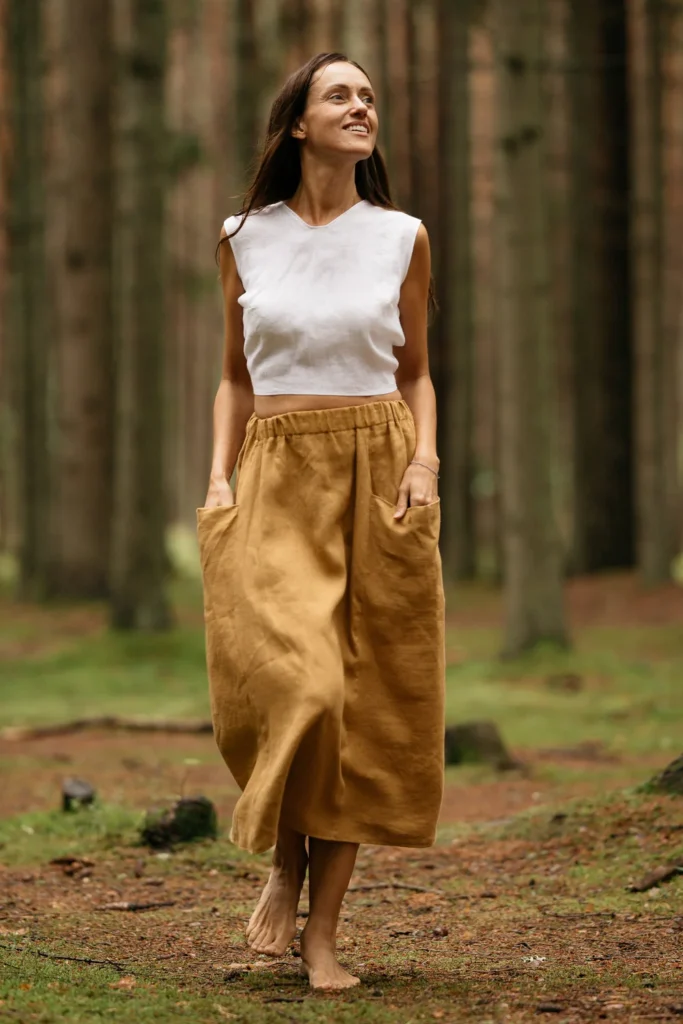
Care requirements often play a decisive role when choosing between pure linen and linen blend skirts. While both fabrics are durable, they differ significantly in how much time and attention they require to maintain their appearance.
Caring for 100% Linen Skirts
Pure linen typically demands more careful handling due to its natural fiber structure:
- Gentle washing cycles help preserve fiber strength
- Air drying is preferred to minimize shrinkage
- Light ironing while slightly damp helps smooth creases
- Wrinkling is expected and considered part of normal wear
Improper washing or high heat can lead to shrinkage or excessive creasing over time.
Caring for Linen Blend Skirts
Linen blends are designed for easier upkeep and everyday practicality:
- Many styles are suitable for machine washing
- Faster drying times reduce handling effort
- Less frequent ironing is needed
- Care routines are generally more forgiving
From a maintenance perspective, linen blends clearly require less effort. Pure linen, while more demanding, rewards attentive care with long-term comfort, breathability, and fabric integrity. The decision balances convenience against the benefits of natural fabric performance.
Sustainability & Fabric Impact
Sustainability has become an important consideration in fabric selection, particularly for long-term wardrobe staples like skirts. The environmental impact of linen varies depending on whether the fabric is pure or blended.
- Environmental Benefits of 100% Linen: Linen is a natural, biodegradable, and renewable fiber that typically requires less water and fewer chemicals than many alternatives. Pure linen skirts align closely with slow fashion principles, especially when worn and maintained over many seasons.
- Sustainability Considerations of Linen Blends: Linen blends often extend garment lifespan through added durability, which can reduce short-term waste. However, the inclusion of synthetic fibers complicates recycling and increases the overall environmental footprint compared to pure linen.
- Making a Conscious Fabric Choice: Sustainable decisions involve balance—considering fiber origin, garment longevity, and personal care habits rather than relying on a single factor.
Both options can be responsible choices when aligned with long-term use.
Price & Value for Money
Price differences between pure linen and linen blend skirts often reflect production methods and material costs rather than quality alone.
- Why 100% Linen Skirts Cost More: Producing pure linen is labor-intensive, from flax cultivation to fiber processing. High-quality flax fibers and traditional manufacturing techniques contribute to higher pricing.
- Are Linen Blend Skirts More Affordable? Yes. Linen blends reduce material and production costs, making them more accessible and widely available across different price ranges.
- Which Option Offers Better Value? Value depends largely on usage. For maximum breathability and long-term wear, pure linen performs exceptionally well. For versatility, ease of care, and everyday practicality, linen blends offer strong value.
In the end, cost-effectiveness is best measured by how well the fabric fits lifestyle and wear frequency.
Which Is Better for You? Choosing Based on Lifestyle
There is no universal “better” option between 100% linen skirts and linen blend skirts. The right choice depends largely on climate, daily routines, and expectations around comfort, appearance, and maintenance.
Choose 100% Linen Skirts If You:
- Live in consistently hot or humid environments
- Prefer natural, breathable fibers
- Appreciate organic texture and natural wrinkling
- Prioritize airflow and cooling performance above all
Choose Linen Blend Skirts If You:
- Need improved wrinkle resistance throughout the day
- Prefer more structured or tailored silhouettes
- Value easy-care and low-maintenance fabrics
- Wear skirts frequently for work or professional settings
Ultimately, lifestyle and usage patterns determine which fabric performs best in everyday wear.
FAQs About 100% Linen Skirts vs Linen Blend
These frequently asked questions address common concerns and help clarify the practical differences between pure linen skirts and linen blend skirts, especially for everyday wear and seasonal use.
Is 100% linen better than linen blend?
100% linen is not inherently better in all situations. It excels in breathability, moisture control, and cooling performance, making it ideal for hot or humid climates. Linen blends, on the other hand, prioritize ease of care, wrinkle resistance, and shape retention. The better option depends on whether natural comfort or everyday convenience is more important.
Do linen blend skirts wrinkle less?
Yes. Linen blend skirts generally wrinkle less than pure linen skirts. The inclusion of fibers such as polyester or viscose helps the fabric recover its shape after movement, resulting in a smoother appearance throughout the day, especially during sitting or extended wear.
Are linen blends breathable?
Linen blends remain breathable due to their linen content, but airflow is typically reduced compared to 100% linen. The level of breathability depends on the type and percentage of blended fibers. In moderate heat, linen blends perform well, while pure linen remains more effective in extreme temperatures.
Which fabric lasts longer?
Pure linen fibers are exceptionally strong and tend to soften over time without losing integrity, allowing the fabric to age gracefully. Linen blends often maintain structure and shape longer under frequent use and washing, though synthetic fibers may degrade faster over extended periods.
Are linen blends suitable for summer?
Yes. Linen blends are suitable for summer, particularly in mild to warm conditions. They offer a practical balance between comfort, breathability, and easy maintenance, making them a popular choice for everyday or work-related wear.
Conclusion
Skirra views the debate around 100% Linen Skirts vs Linen Blend not as a contest, but as a conversation about intention. Pure linen skirts and 100 linen skirts exist for those who value airflow, authenticity, and natural elegance. Linen blend skirts serve those who prioritize structure, polish, and ease of care. Neither fabric is inherently better. The better choice is the one that aligns with how the skirt will actually be worn—season after season, day after day. Understanding fabric means understanding comfort. And when that understanding is clear, the choice becomes effortless.